From Gas Station Glass to Glowing Reels: How Scratch-Off Players Find Their Way to Candy Slots
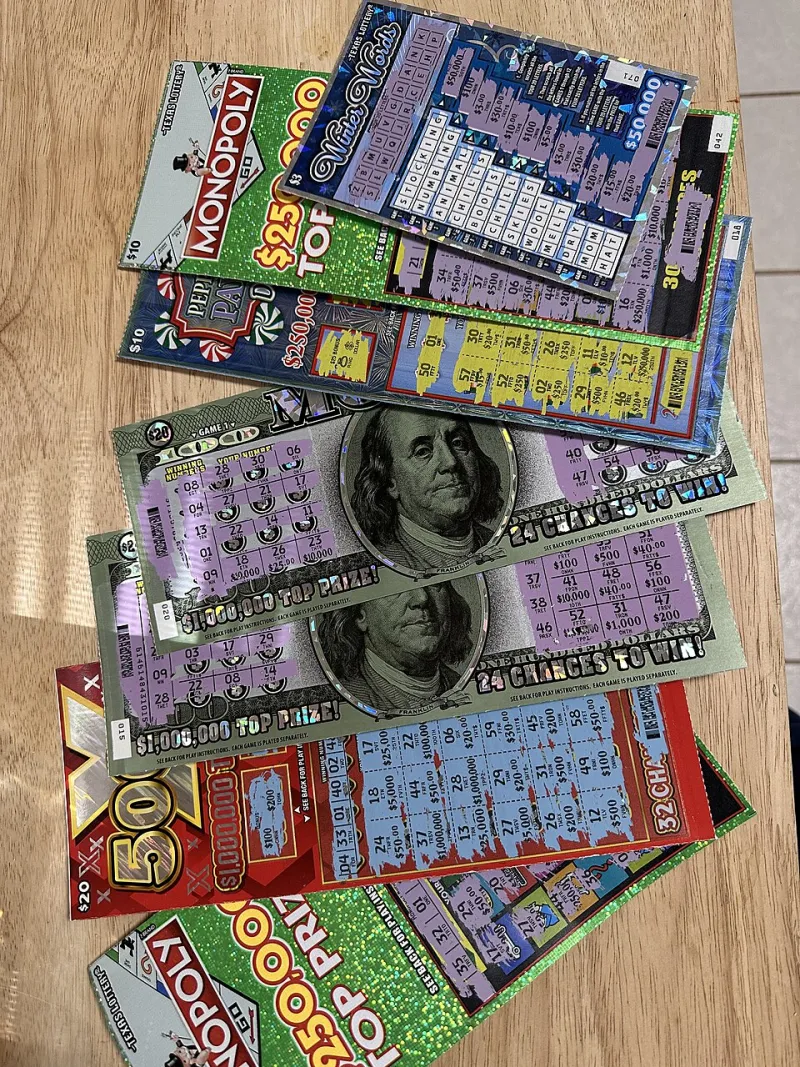
Photo: Jonathan Cutrer from San Angelo, Texas, United States, CC0, via Wikimedia Commons
There's a moment every American knows by heart. You're paying for gas, maybe a fountain drink, and the glowing case behind the clerk catches your eye. Rows of shimmering tickets, each one a two-dollar maybe. You point. The clerk tears one off the roll. And for the next ninety seconds, you're a coin flip away from a story you'll tell at dinner.
That ritual — the scratch-off — is quietly one of the most popular gambling habits in the country. And if you've ever wondered why so many scratch-off fans eventually wander into mobile slots, the answer isn't mysterious. It's the same itch. Different scratcher.
The Ninety-Second Promise
What makes a scratch-off irresistible isn't the jackpot advertised in the corner of the ticket. It's the speed. You buy it, you scratch it, you know. No waiting for a drawing, no checking numbers against a TV broadcast at 11 p.m. The entire arc from hope to answer happens before you've left the parking lot.
Instant-win games scratch the same psychological itch slot machines have been scratching for over a century. Game designers sometimes call this the "closed loop" — a decision, a brief moment of suspense, and a resolution, all compressed into seconds. Your brain doesn't much care whether the resolution arrives via a lucky penny on silver foil or a lollipop symbol landing on the third reel. The loop closes either way.
That's the pipeline in action. Once you're used to instant results, the pull toward games that deliver them gets stronger. The gas station teaches the habit; the candy slot refines it.
Same Impulse, Different Wrapper
Look at the two side by side and the parallels stack up fast.
Scratch-offs come in themed families — the $2 tickets, the $5 tickets, the flashy $20 "premium" ones with gold foil. Slots come in the same tiers, just with reels instead of latex. And the candy angle? Scratch-off tickets have leaned into sweets for years. Candy-themed instant tickets are a fixture at registers from Florida to Washington, because designers know exactly what candy signals: small, affordable, low-pressure fun.
So when a lifelong scratcher opens a mobile lobby and sees gummy bears and lollipops spinning across the screen, it doesn't feel foreign. It feels familiar. It's the register case, digitized.
Bringing the Ticket Discipline to the Reels
Here's where scratch-off players actually have an advantage over the average slot newcomer. If you've been buying tickets for years, you already understand something a lot of casino rookies learn the hard way: you set a ticket budget before you're at the counter, and you don't dig for extra crumpled bills when the first one's a dud.
That's the entire discipline, and it translates directly.
Buy one ticket, play one session. The two-dollar scratcher is a complete experience — purchase, scratch, done. Treat a mobile slot session the same way. Decide what your "ticket" costs before you open the game, whether that's a few dollars or a free-credit promo, and when it's spent, the session is over. No reaching back into the wallet.
Read the odds like you read the ticket back. Serious scratcher players flip the ticket over and check the fine print — overall odds, top-prize counts, whether the big money's already been claimed. Slot players have the same tool: the paytable and the game info screen. Thirty seconds of reading tells you the RTP and how the bonus rounds work. It won't tell you when you'll win, but it tells you what you're playing against.
Small stakes, more moments. The appeal of a $1 ticket isn't the payout ceiling — it's that you can enjoy the ritual often without it denting your week. Low-stakes candy slots offer the same math. A smaller bet per spin stretches your session into more of those closed loops, the exact thing that made scratch-offs fun in the first place.
The Corner Store Never Really Leaves
Ask around and you'll find the overlap everywhere. The coworker who buys a ticket every Friday on the way home also keeps a slot app for the commute. The aunt who scratches birthday tickets at the family cookout has a candy slot she plays while the burgers grill. The habit migrates, but the personality behind it doesn't change: people who like small, self-contained bursts of luck.
There's nothing wrong with keeping a foot in both worlds, either. The scratch-off and the candy slot are cousins, not competitors. One lives behind glass at the gas station; the other lives in your pocket. Both run on the same sweet, simple engine — a little stake, a quick spin of fate, and a result you can feel in your chest for a second or two.
The trick is honoring what the corner store taught you: the ticket was always meant to be small. Keep it that way on the reels, and the fun stays fun — whether it's foil under your thumbnail or gummies lining up on your screen.