Step Right Up: The Midway Origins of America's Bonus Round Obsession
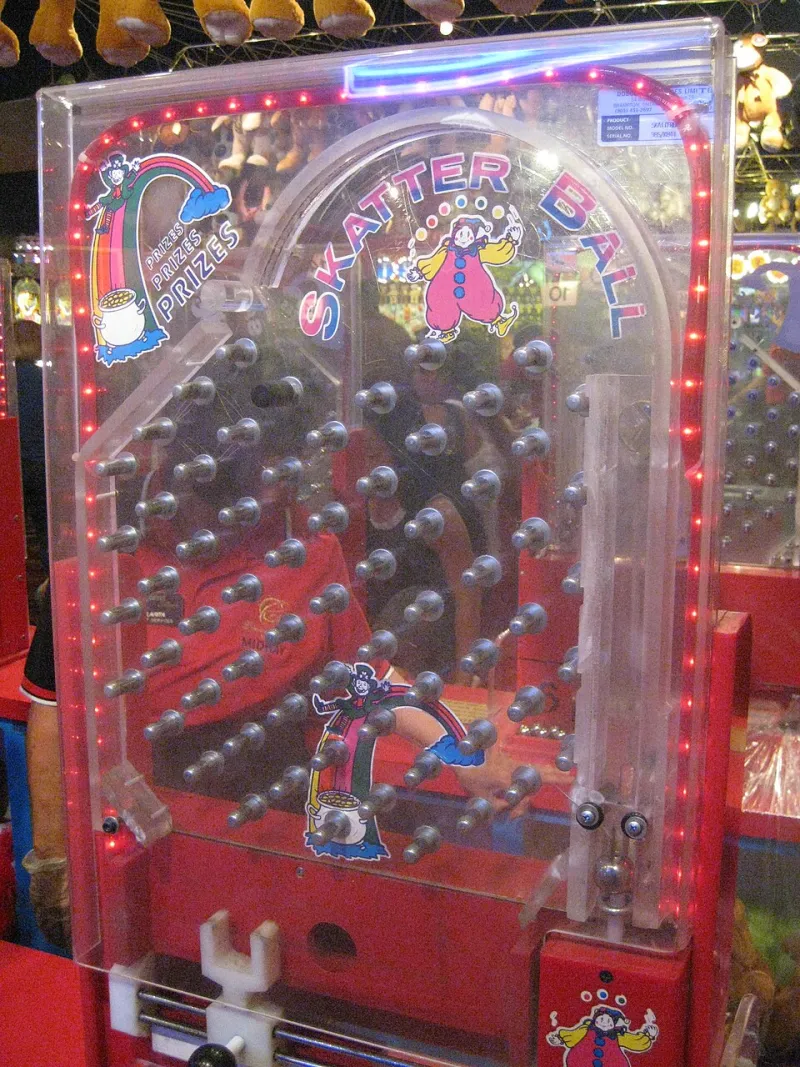
Photo: Michael Ocampo, CC BY 2.0, via Wikimedia Commons
Every summer, somewhere in America, a teenager is spending twenty dollars trying to win a stuffed animal that cost the carnival three bucks. And every night, millions of us do basically the same thing on our phones — chase a flashy bonus round that promises the oversized prize behind the glass.
That's not a coincidence. The state fair midway and the modern candy slot share a family tree, and once you see it, you can't unsee it.
The Booth That Started It All
Carnival games figured out something a century ago that slot designers have perfected: the fun isn't really in winning. It's in the chase of a prize you can see, touch, and point at.
Watch how a ring-toss booth works. The prizes hang in plain view — enormous unicorns, five-foot teddy bears, neon plush sharks. The entry price is small. The odds are quietly brutal. But the display does the selling, and the low buy-in does the forgiving. You're not really paying to win; you're paying for a few minutes of hope with sugar on your breath.
Now open a candy-themed slot. Same architecture, new wrapper: bright reels you can see spinning toward a jackpot, a modest minimum bet, and a bonus round that dangles the giant prize just out of reach. The teddy bear became the free spins. The ring toss became the scatter symbol.
Why Small Stakes Make Big Fun
Here's the part the midway understood before anyone else: casual players don't want to risk much. They want the feeling of a big swing without the weight of a big wager.
That's why fair games charge two or three dollars, not twenty. It's also why the most popular slots in the US lean on penny-friendly bets and frequent little payouts — the cotton candy of casino gaming. Sweet, cheap, gone in a minute, and you're back for more.
The state fair model survives because it got the emotional math right: low stakes lower the guard, big visuals raise the excitement, and the whole thing wraps up before anyone feels burned. A quick loss at a ring toss stings less than a slow one at a blackjack table. A quick loss on a two-dollar slot spin? Same deal.
The Bonus Round Is a Prize Booth
Think about what actually happens in a modern bonus round. The screen takes over. Lights flare. A wheel spins or a pick-'em game opens, and suddenly you're not a passive spinner — you're a contestant.
That's the midway experience, digitized. Carnival operators knew that participation, even illusionary participation, makes the prize feel earned. Slot designers borrowed it wholesale: the pick-three treasure chests, the spinning bonus wheels, the free-spin rounds where you choose your own multiplier. Every one of them is a carnie handing you the ring and saying, "Go ahead, you've got this."
And like the fair, the booth is always the real winner. But that's fine — because on a good night, with a little luck and a triple eight showing up at the right time, you walk away with the plush shark.
Sugar on the Side
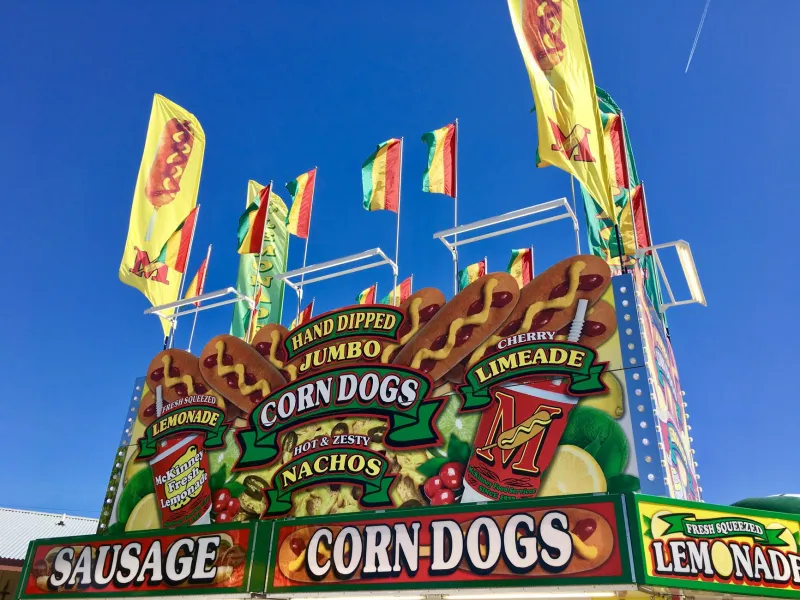
The last piece of the fair's DNA is the atmosphere. Nobody goes to the midway just for the games. They go for the funnel cake, the lights, the noise, the sense that this is a treat, not a habit.
Casual American gambling has kept that framing. The candy-slot aisle, the coffee-break session, the no-deposit freebies — they all treat play as a dessert, not a meal. The fair taught us that gambling works best as a carnival: something you visit, enjoy, spend a little on, and leave humming about.
Play the Midway Way
So the next time you sit down for a session, borrow a page from the fairgrounds. Set a ticket price — the amount you'd happily spend on three ring-toss attempts. Pick your booth (your game), admire the giant prizes, and take your swings.
Win the bear, and cash it out before the sugar wears off. Lose the tickets, and enjoy the lights on the way out. That's the midway rule, and honestly, it's the sweetest way to play.