Deep-Fried Dollars: What a $12 Twinkie Taught Me About Chasing Bonus Rounds
The Twelve-Dollar Twinkie
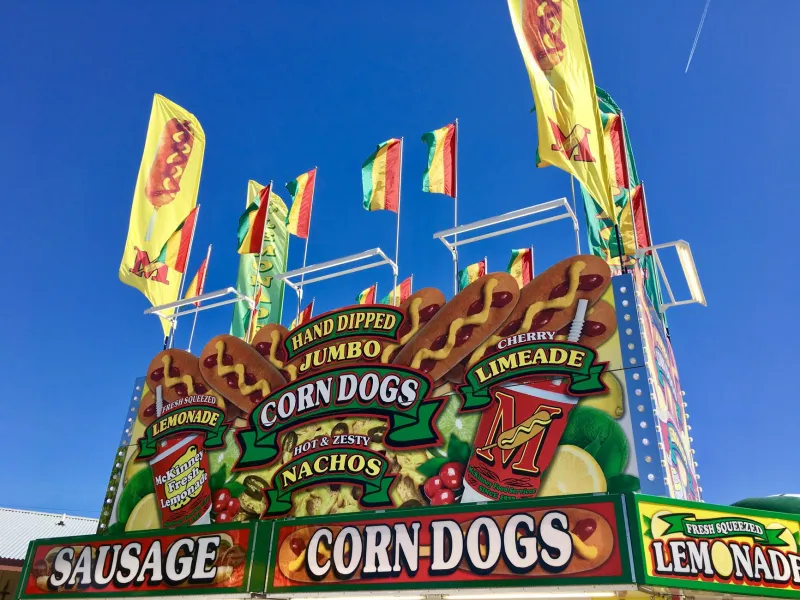
Let me get this out of the way up front: I paid twelve dollars for a deep-fried Twinkie at the state fair last August, and I'd do it again tomorrow.
Was it worth twelve dollars as food? Absolutely not. A plain Twinkie costs about a buck at any gas station in America. The fried version was hot, greasy, and gone in four bites. My cholesterol sent me a strongly worded letter.
But that's not what I was buying, was it? I was buying the experience. The sawdust halfway through my shoes, the midway speaker crackling, the guy in the fry shack hollering "two minutes on the Twinkies!" I paid twelve dollars for a story. And honestly? It was a pretty good story.
Standing there in line, powder sugar drifting onto my shirt, I had a thought that hasn't left me since: I do the exact same thing at the slots.
The Bonus Round Is the Fried Twinkie
Every candy slot player knows the feeling. You're spinning along on some gummy-themed game, base game pays are dribbling in like a leaky faucet, and you've seen the bonus round tease you twice without landing. So you keep going. And going. You're not really chasing wins anymore — you're chasing the thing. The free spins. The multiplier. The big colorful moment where the screen explodes and the game finally shows you what it's been saving.
That's the bonus round. That's the fried Twinkie.
Here's the part most players get wrong, and I mean genuinely wrong, not morally wrong: the bonus round is not an investment that will pay you back. It's a novelty experience. Sometimes it hits big and it's delicious. Sometimes it returns 8x your bet and you wonder why you waited forty minutes for four bites of fried dough.
The mistake isn't chasing it. The mistake is believing the chase owes you something.
Ticket, Not Investment
So here's the framework I've landed on, and it's simple enough to remember after a couple of energy drinks at the fairgrounds:
Decide what the experience costs before you experience it. At the fair, the price was posted: twelve bucks, cash, done. Do the same with your session. "I'm spending $20 to see this bonus round" is a ticket price. Once it's spent, you got what you came for — whether the bonus hits, misses, or never shows up at all.
The ticket mindset changes everything about how a session feels. When the bonus round hits on spin 30, great — the ride was short and sweet. When it hits on spin 200, also fine, because you bought the whole ride, not just the front seat. And when it never hits? You paid twelve dollars for a Twinkie. Annoying? Sure. A financial disaster? Only if you kept buying Twinkies on a credit card.
When a Chase Is Fun vs. When It's a Trap
Not all chases are created equal, and I've learned to run a quick gut-check before I keep spinning:
It's probably still fun if:
- You set a session budget and you're inside it
- You'd genuinely enjoy the base game even without the bonus
- You can articulate what you're paying for ("$20 of entertainment") without wincing
- You'd be okay walking away right now
It's probably a trap if:
- You're increasing bets to "force" the bonus to come
- You've told yourself you're "due" — the reels don't keep a ledger, friend
- The plan is to win back the chase cost with the bonus round
- You're chasing with money that was earmarked for something real, like rent or the electric bill
Notice the difference? The fun version spends money on an experience. The trap version spends money to fix a feeling. Those are two very different purchases wearing the same candy wrapper.
The Fair Closes at 10
One more thing the state fair taught me, and it applies to every slot session I've had since: the fair has gates, and they close them. Whatever you didn't do — the ferris wheel you skipped, the second Twinkie you didn't buy — is still there next year. The games will run tomorrow.
A bonus round you didn't catch tonight isn't money left on the table. It's a ride you didn't get to this time. The slot doesn't remember you, and it doesn't hold your spot in line.
So next time you're twenty minutes deep into a candy slot, waiting on that free spins feature like a kid waiting on the Twinkie fryer, ask yourself one question: did I already buy my ticket? If yes, enjoy the ride for what it costs. If you're reaching for a second wallet — that's not the midway anymore. That's just a long line for something that isn't worth twelve dollars.
Eat the Twinkie. Spin the reels. Then walk out the gate while the lights are still on.