When the Music Stops: Riding Out the Post-Bonus Slump

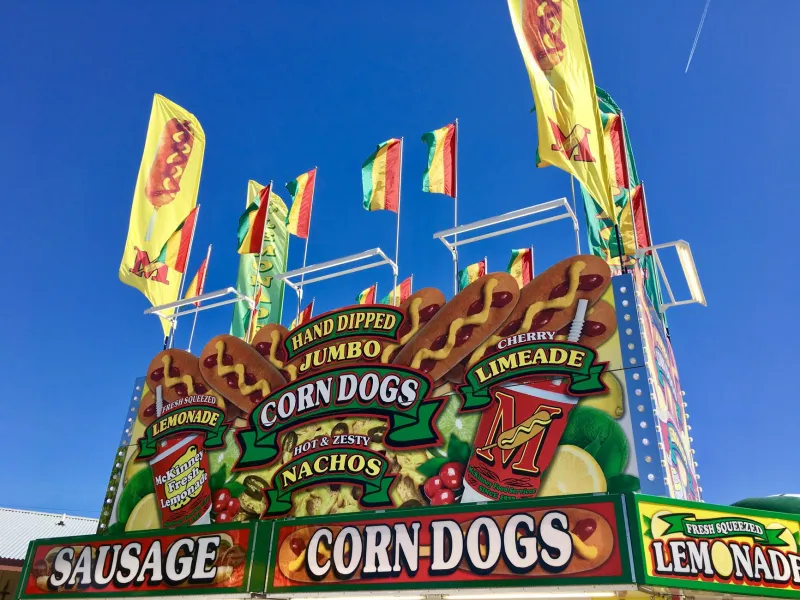
Photo: Photograph by Mike Peel (www.mikepeel.net)., CC BY-SA 4.0, via Wikimedia Commons
You know the moment. The bonus round music kicks in, the screen lights up like a state fair, and for thirty glorious seconds you're the main character. Then the feature ends, the reels settle back into their ordinary hum, and... nothing. The confetti's gone. Your balance looks about the same as it did before. And somewhere in your chest, there's a little hollow feeling that wasn't there two minutes ago.
At Sweet888, we call it the post-bonus slump — and if you've ever reached for one more spin right after a big moment, you've met it. Here's the thing: that feeling has a lot in common with the crash you get after eating a fistful of candy corn. Understanding it might be the most useful skill a casual player can pick up.
The Rush Is the Product
Slot games are engineered around anticipation, not just outcomes. Neuroscientists have known for decades that dopamine — the brain chemical tied to reward and motivation — spikes hardest when we're waiting for a payoff, not when we get it. That's why the near-miss where two bonus symbols land and the third just barely slides past stings so much. Your brain was already counting the win.
So when a bonus round fires, you get a double hit: the anticipation spike plus the actual result. It's a lot, quickly. And like any spike, it comes with a comedown. The game returns to its baseline — the same spinning reels, the same background sounds — but your brain is now calibrated to the excitement of thirty seconds ago. Ordinary play suddenly feels flat by comparison.
It's the same arc as a sugar rush. Eat a king-size candy bar and you feel great for twenty minutes. Then your blood sugar dips below where it started, and you're tired, cranky, and craving more — not because you need it, but because your system wants to get back to the high.
Why the Crash Fuels Chase Spins
Here's where the candy analogy stops being cute and starts costing people money. The post-bonus dip creates a genuine itch to restore that feeling, and the fastest way your brain knows how is... another spin. Maybe a bigger one.
This is what veteran players mean by "chasing," and it rarely looks dramatic from the inside. It looks like:
- The revenge spin right after a bonus that paid less than it cost to trigger
- The one-more-feature promise you make to yourself at 11:40 p.m.
- The bet bump — nudging your stake up because the last session at your normal bet felt "dead"
None of these decisions come from math. They come from a brain trying to close the gap between how it felt two minutes ago and how it feels now. And because slots move fast, that gap can eat a session's winnings in minutes.
How to Spot Your Own Crash
Everyone's tells are a little different, but a few are nearly universal:
- You stop reading the paytable and start just hitting spin. When play becomes reflexive rather than deliberate, you're usually chasing a feeling, not playing a game.
- The soundtrack gets annoying. Paradoxically, irritation with the game is a classic sign you're past the fun part and into the compulsion part.
- You're doing math you didn't plan. "If I win the next bonus, I'll be up $60 total..." — that's not a plan, that's a negotiation with a random number generator.
Ending on Your Own Terms
We've talked before on Sweet888 about cashing out first and playing with what's left — the gumball machine rule. It's the single best defense against the slump, because the crash can only spend what's still in front of you. But there are a few more moves worth keeping in your back pocket:
Put a hard stop on the bonus round itself. Decide before the feature fires: "Whatever this pays, it's the last spin of the session." It's much easier to honor a decision made during the high than to make one during the dip.
Build in a buffer minute. When the reels stop, don't touch the screen. Stand up, refill your drink, check the score of the game. The urge to spin peaks fast and fades fast — give it ninety seconds and it usually loses its grip.
Reframe the ending. A session that ends after a bonus feels anticlimactic because you're comparing it to the peak. Try comparing it to the start instead: you sat down for entertainment, you got a bonus round, you're walking away. That's a good day at the candy store, whether the feature paid big or not.
Know when the crash is a pattern. If the post-bonus dip regularly turns into an hour of chasing you didn't plan, that's worth taking seriously. Every licensed US casino platform offers deposit limits, session reminders, and self-exclusion tools — using them isn't weakness, it's the same kind of smart play as setting a budget in the first place. If gambling stops feeling like fun, the National Problem Gambling Helpline (1-800-522-4700) is free, confidential, and there for exactly this.
The Sweet Spot
Here's our honest take: the slump never fully goes away, because it's baked into how our brains handle anticipation and reward. The players who last — the ones still enjoying slots years down the road — aren't the ones who never crash. They're the ones who recognize the taste of the crash and don't order another round because of it.
Enjoy the bonus round. Let the confetti land. Then close the app while you're still smiling. That's the sweetest exit there is.